Michael Shermer and Dave Rubin: Skepticism & Conspiracy Theories
Michael Shermer (author, skeptic) and Dave Rubin discuss skepticism, morality, conspiracy theories, political issues like gun control, abortion, libertarianism, and more.

Michael Shermer (author, skeptic) and Dave Rubin discuss skepticism, morality, conspiracy theories, political issues like gun control, abortion, libertarianism, and more.
Michael Shermer (author, skeptic) joins Dave Rubin (The Ruben Report) to discuss conspiracy theories (9/11, vaccines, and more.) Watch the full interview about skepticism, morality, conspiracy theories, and politics.
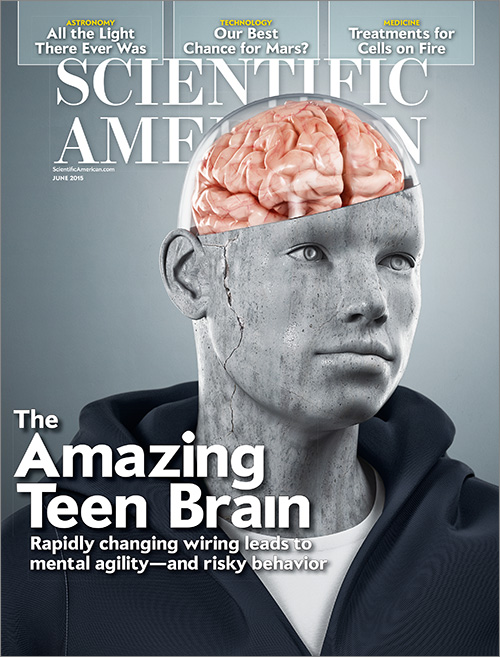
In the late 20th century the humanities took a turn toward postmodern deconstruction and the belief that there is no objective reality to be discovered. To believe in such quaint notions as scientific progress was to be guilty of “scientism,” properly said with a snarl. In 1996 New York University physicist Alan Sokal punctured these pretensions with his now famous article “Transgressing the Boundaries: Toward a Transformative Hermeneutics of Quantum Gravity,” chockablock full of postmodern phrases and deconstructionist tropes interspersed with scientific jargon, which he subsequently admitted were nonsensical gibberish.
I subsequently gave up on the humanities but am now reconsidering my position after an encounter this past March with University of Amsterdam humanities professor Rens Bod during a European book tour for The Moral Arc. In our dialogue, Bod pointed out that my definition of science—a set of methods that describes and interprets observed or inferred phenomena, past or present, aimed at testing hypotheses and building theories—applies to such humanities fields as philology, art history, musicology, linguistics, archaeology, historiography and literary studies. (continue reading…)
Inspired by the acclaimed book by Naomi Oreskes and Erik Conway, Merchants of Doubt takes audiences on a satirically comedic, yet illuminating ride into the heart of conjuring American spin. Filmmaker Robert Kenner lifts the curtain on a secretive group of highly charismatic, silver-tongued pundits-for-hire who present themselves in the media as scientific authorities – yet have the contrary aim of spreading maximum confusion about well-studied public threats ranging from toxic chemicals to pharmaceuticals to climate change.
An Honest Liar is a feature documentary about the world-famous magician, escape artist, and world-renowned enemy of deception, James ‘The Amazing’ Randi. The film brings to life Randi’s intricate investigations that publicly exposed psychics, faith healers, and con-artists with quasi-religious fervor. A master deceiver who came out of the closet at the age of 81, Randi created fictional characters, fake psychics, and even turned his partner of 25 years, the artist Jose Alvarez, into a sham guru named Carlos. But when a shocking revelation in Randi’s personal life is discovered, it isn’t clear whether Randi is still the deceiver – or the deceived.


Copyright 2026 Michael Shermer | All Rights Reserved | 3938 State Street, Suite 101, Santa Barbara, CA, 93105-3114 | 1-805-576-9396